
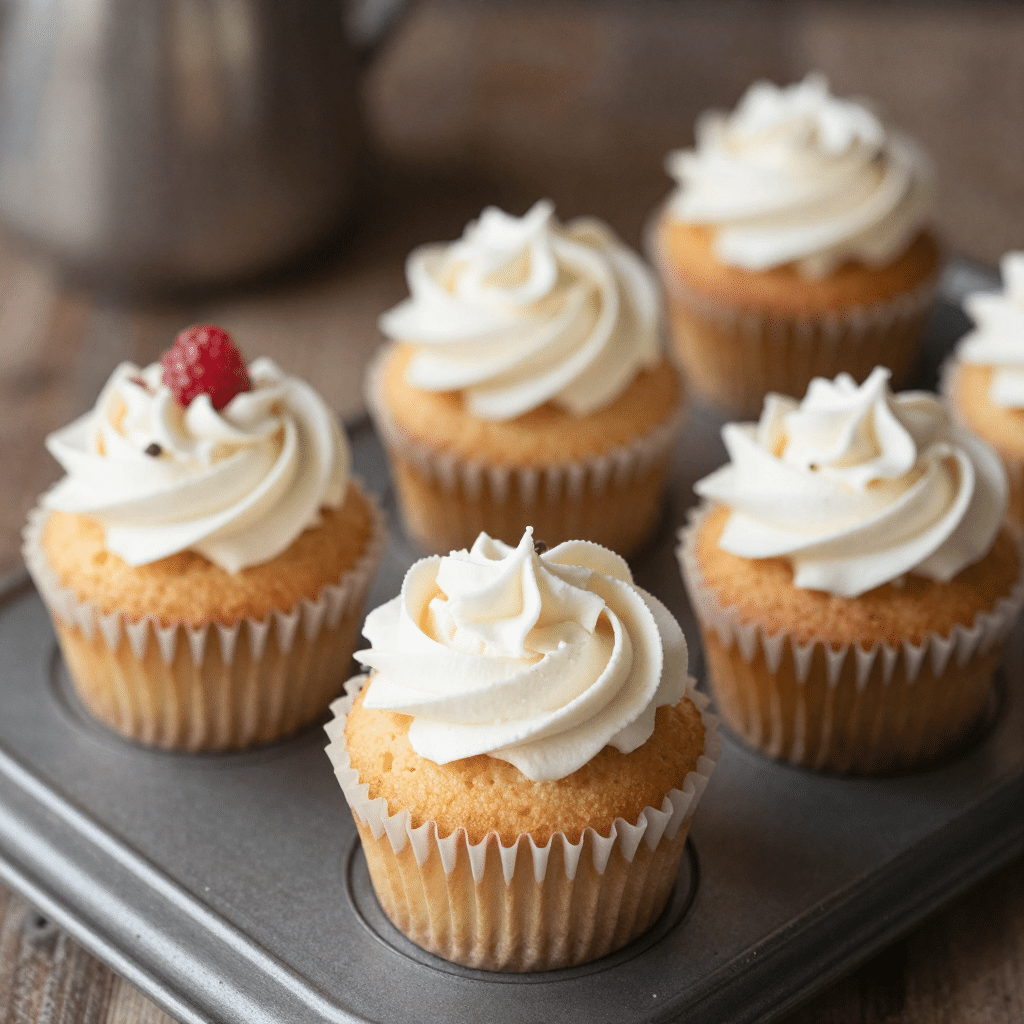
Cupcake recipes are essential baking staples that produce light, airy, and moist individual cakes perfect for any occasion. Mastering this foundational vanilla cupcake allows you to build confidence in the kitchen while delivering a consistent, bakery-quality result every single time. By focusing on temperature and technique, you will achieve the perfect crumb structure that defines a professional-grade treat.
Recipe Overview
| Prep Time | Cook Time | Total Time | Servings | Difficulty | Cuisine |
|---|---|---|---|---|---|
| 15 minutes | 22 minutes | 37 minutes | 12 cupcakes | Easy | Western |
Why This Recipe Works
This specific formula works because it prioritizes the aeration of eggs, which acts as the primary leavening agent for the batter. Unlike denser cakes that rely heavily on chemical leaveners, this method creates a stable foam that results in an incredibly soft, cloud-like texture.
I have spent years testing ratios to ensure these cupcakes remain moist for days without sacrificing their structural integrity. The addition of a small amount of oil combined with high-quality butter ensures a tender crumb that does not dry out, making this my go-to recipe for birthdays and casual gatherings alike.
Ingredients
| Ingredient | Quantity | Notes |
|---|---|---|
| All-Purpose Flour | 1 cup | Cake flour is an alternative for a lighter crumb |
| Baking Powder | 1.25 tsp | Ensure it is not expired |
| Salt | 1/8 tsp | Fine sea salt works best |
| Large Eggs | 2 | Room temperature is mandatory |
| Caster Sugar | 3/4 cup | Fine grain dissolves better than granulated |
| Unsalted Butter | 60g (1/4 cup) | Cubed into 1.5cm pieces |
| Full Fat Milk | 1/2 cup | Do not use non-dairy alternatives |
| Vanilla Extract | 2 tsp | Use pure extract for best results |
| Vegetable Oil | 1.5 tsp | Adds essential moisture |
Step-by-Step Instructions
Preparation Phase
- Preheat your oven to 180°C (350°F) for at least 20 minutes before baking to ensure even heat distribution.
- Line a standard muffin tin with paper cupcake liners to prevent sticking.
Batter Creation
- Whisk the flour, baking powder, and salt together in a large bowl and set aside.
- Heat the milk and butter in a heatproof jug in the microwave for 2 minutes, then keep warm.
- Beat the eggs in a glass bowl for 30 seconds before slowly adding the sugar over the next 30 seconds.
- Beat the egg and sugar mixture on high speed for 6 minutes until it triples in volume.
- Fold the flour into the egg mixture in three batches using the mixer on low speed, stopping as soon as the flour disappears.
- Temper the hot milk by mixing in a small amount of egg batter, then incorporate the milk mixture into the main bowl on low speed.
Baking
- Divide the batter into the muffin liners, filling each no more than 2/3 full to prevent overflowing.
- Bake for 22 minutes until a toothpick inserted into the center comes out clean.
- Cool in the tin for 2 minutes before transferring to a wire rack to cool completely.
Chef Tips for Perfect Results
- Always bring your eggs to room temperature to ensure they achieve maximum volume during the whipping process.
- Use a digital scale for measurement; volume-based measurements like cups can vary significantly between kitchens.
- Never open the oven door during the first 15 minutes of baking to avoid a sudden temperature drop that causes collapse.
- Check your baking powder effectiveness by adding a small amount to hot water; if it doesn’t fizz, it is inactive.
Common Mistakes to Avoid
- Over-mixing the batter: This develops too much gluten, resulting in a tough, rubbery cupcake instead of a light one.
- Using cold milk: This causes the butter to solidify prematurely, preventing a smooth emulsion in the batter.
- Filling the liners too high: Filling beyond two-thirds full leads to flat tops or spilled batter that burns on the pan.
- Waiting too long: Once the batter is mixed, get it into the oven immediately so the air bubbles do not deflate.
Variations and Substitutions
| Ingredient | Substitution | Impact on Flavor |
|---|---|---|
| All-purpose flour | Cake flour | Slightly softer and more delicate crumb |
| Caster sugar | Granulated sugar | Negligible taste difference but texture might vary |
| Butter | Margarine | Reduced richness and different mouthfeel |
Frequently Asked Questions
Can I use non-dairy milk instead of full-fat cow milk?
You should avoid non-dairy milk because the fat content and protein structure are insufficient for this specific emulsion. Replacing it results in a less tender crumb and poor rise.
How do I know when my cupcakes are perfectly done?
Cupcakes are done when a toothpick inserted into the center comes out clean or with a few moist crumbs. The tops should spring back lightly when touched gently with your fingertip.
Why did my cupcakes sink in the middle?
Sinking often happens if the oven door was opened too early or if the liners were overfilled. Ensure you follow the temperature and fill-line instructions strictly to maintain the structure.
Can I make this batter the night before?
Do not make the batter ahead of time as the leavening agents react immediately once moisture is added. Bake your cupcakes fresh for the best rise and texture.
What is the best way to frost these cupcakes?
Cool your cupcakes completely on a wire rack before applying any frosting to prevent melting. You can use a classic vanilla buttercream, Swiss meringue frosting, or a simple whipped cream topping.
Conclusion
Mastering these cupcake recipes requires only patience and attention to the small details of preparation. By keeping your ingredients at room temperature and respecting the mixing times, you create a perfect canvas for your favorite frostings and toppings. Start with this vanilla base to build your confidence and impress friends with professional-grade treats. Once you master the technique, the possibilities for flavor combinations are endless, ensuring you always have a reliable, fluffy cupcake ready for any occasion.